
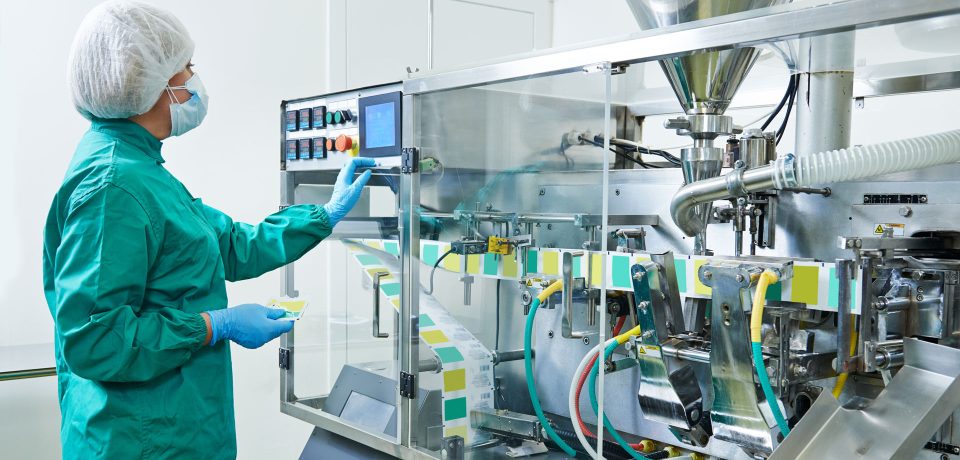
In modern healthcare, medical analysis devices are the linchpin of accurate diagnosis and effective treatment. Instruments such as Hematology Analyzers, Biochemistry Analyzers, Electrolyte Analyzers, and ELISA Readers—equipment commonly found in facilities globally and supplied by entities like Eden International—perform complex, high-throughput analyses on patient samples. The results generated by these devices, which include crucial metrics like complete blood counts, metabolic panels, and hormone levels, directly inform clinical decisions. Given their pivotal role, the integrity of these results is paramount. Consequently, a meticulously executed program of Periodic Maintenance (PM) is not merely a procedural formality but a critical requirement for maintaining the analytical precision and long-term reliability of these sophisticated diagnostic tools. Ignoring this necessity introduces a severe risk of diagnostic error, compromised patient safety, and significant operational failures.
Preserving Analytical Precision Through Calibration and Quality Control
The primary scientific objective of periodic maintenance is the preservation of the analytical system’s metrological integrity—the ability of the device to consistently produce results that are both accurate and precise. This involves two key processes: calibration and preventive replacement.
Calibration is the process of adjusting the instrument to ensure that the measurements it produces match accepted international standards or certified reference materials. Over time, internal components—such as photodetectors, fluidics systems, and temperature control modules—can drift from their factory specifications due to mechanical wear or environmental factors. For example, a slight drift in the photometric linearity of a Biochemistry Analyzer can lead to a systemic bias in results, potentially causing falsely elevated or depressed analyte concentrations. Routine PM includes recalibrating these systems using certified calibrators to restore the instrument’s accuracy.
Furthermore, PM encompasses the inspection and replacement of wear-and-tear parts. In a Hematology Analyzer, this includes checking and replacing reagent lines, peristaltic pump tubes, and the aperture bath, which are prone to buildup and blockages that can directly impair the cell-counting process and lead to inaccurate cell differentiation. For an ELISA Washer/Reader, regular checks ensure the integrity of the washing head and prevent carry-over contamination between samples—a major source of pre-analytical error. By addressing these potential failure points preemptively, a robust PM program ensures the device operates within its validated performance specifications, guaranteeing the reliability and traceability of all reported results.
Mitigating Operational Risks and Ensuring System Longevity
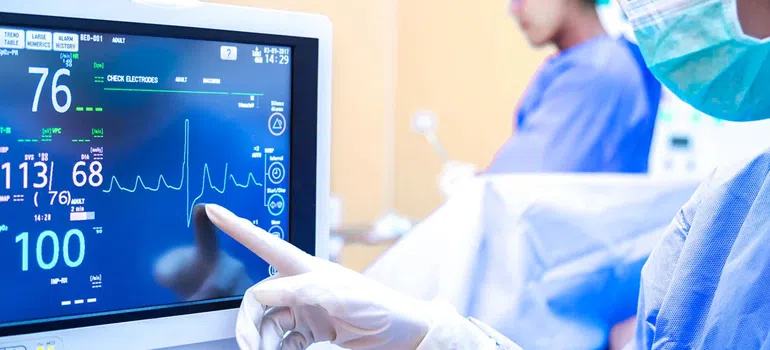
Beyond analytical accuracy, periodic maintenance is an essential strategy for managing operational risks and maximizing the return on investment (ROI) for expensive laboratory equipment. The concept of Preventive Maintenance (PM), as opposed to purely reactive Corrective Maintenance (CM), is fundamental here.
Unscheduled equipment failure, or “downtime,” has severe consequences in a clinical setting, delaying diagnoses, disrupting patient care pathways, and increasing operational stress. A PM schedule—which includes tasks from daily visual inspections and cleaning to quarterly/annual full system checks—identifies and addresses issues before they escalate into critical failures. This includes tasks like lubrication of moving parts in centrifuges to prevent motor burnout, software updates to fix algorithmic bugs or enhance connectivity, and comprehensive internal cleaning to prevent corrosion or biohazard buildup.
Equipment like In Vitro Diagnostics (IVD) systems represent substantial capital expenditures. Regular maintenance extends the useful life of the device, or longevity, far beyond what would be achieved without care. By reducing wear, preventing catastrophic failures, and maintaining compliance with manufacturer protocols, PM effectively safeguards the asset. This proactive approach ensures the continuous availability of critical diagnostics, which is especially vital for high-volume laboratories utilizing equipment such as high-capacity Automatic Coagulation Analyzers or Microplate Readers for large batch testing. This also contributes significantly to cost-efficiency by minimizing the need for expensive, emergency repairs or premature equipment replacement.
Adherence to Regulatory Compliance and Patient Safety Standards
The medical laboratory environment is highly regulated, necessitating strict adherence to national and international quality standards, such as those set by ISO 15189 (for quality and competence in medical laboratories). Periodic maintenance forms a cornerstone of Quality Management Systems (QMS), ensuring that the facility meets these regulatory mandates.
Properly documenting all maintenance, calibration, and repair activities—known as maintaining a Maintenance Log or Equipment History Record—is a non-negotiable requirement for regulatory audits and accreditation processes. These records demonstrate due diligence and verify that the analytical instruments are fit-for-purpose. Failure to provide comprehensive, up-to-date maintenance documentation can result in a loss of accreditation, rendering the lab’s results invalid for clinical use.
Crucially, patient safety is the ultimate driver. An improperly maintained analyzer is a safety liability. For example, a malfunctioning Electrolyte Analyzer could report dangerously incorrect levels of potassium or sodium, leading to inappropriate and potentially fatal clinical interventions. PM addresses not just analytical performance but also safety features. By verifying that all instrument safety mechanisms, such as pressure sensors and emergency stops, are functional, maintenance ensures that the device poses no electrical, mechanical, or biological hazard to the operator or the patient sample. This systematic approach—integrating technical care with procedural compliance—is the only way to sustain the high level of trust that patients and physicians place in laboratory results.
The pursuit of diagnostic accuracy in clinical laboratories is inextricably linked to the rigorous application of periodic maintenance for all medical analysis devices. This proactive strategy is a complex, systematic process rooted in scientific principles—spanning metrology, risk mitigation, and quality assurance. From fine-tuning photometric systems and replacing peristaltic pump tubing to maintaining meticulous Maintenance Logs for regulatory compliance, a consistent PM schedule is the foundation of dependable lab operation. For healthcare providers, maintaining these essential diagnostic tools—from complex Immunoassay Analyzers to routine pH meters—is a non-negotiable professional and ethical responsibility that directly translates into reliable results, minimized operational downtime, extended equipment lifespan, and, most importantly, uncompromised patient care and safety. Investment in professional, scheduled maintenance is, therefore, not an expense, but an essential investment in clinical credibility and public trust.
