
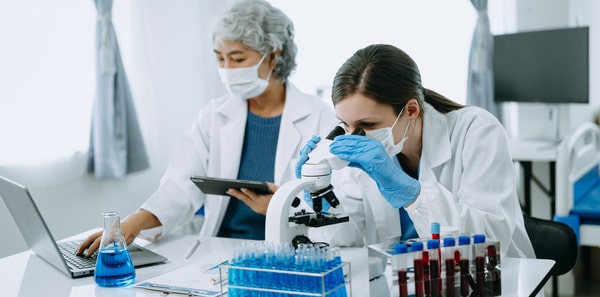
The success of any scientific endeavor, from cutting-edge research to routine clinical diagnostics, fundamentally hinges on the reliability and precision of its laboratory work. A successful laboratory is not merely a collection of sophisticated equipment; it is an environment where robust methodologies and rigorous technical skills converge to generate trustworthy, reproducible data. The mastery of essential laboratory techniques is the bedrock upon which scientific integrity and operational efficiency are built. This article outlines the core technical competencies and advanced methodologies indispensable for a modern, thriving laboratory, integrating them with the necessary high-quality instrumentation exemplified by suppliers like EDEN International.
Foundational Technical Competencies: The Pillars of Precision
A successful lab must first establish a culture of meticulousness and technical proficiency in core, universal procedures. Errors in basic techniques cascade throughout an experiment, ultimately rendering complex analyses invalid.
Accurate Liquid Handling and Measurement
The art of pipetting is arguably the most fundamental and critical skill in any wet lab, especially in molecular biology and biochemistry. Achieving volumetric accuracy is paramount for correctly preparing reagents, standard solutions, and reaction mixtures. Proper technique requires consistent aspiration and dispensing practices, avoiding bubble formation, and selecting the correct pipette for the required volume range. For high-throughput applications, automated liquid handling systems offer superior repeatability and efficiency, minimizing human error and accelerating tasks like plate filling and serial dilutions.
Complementary to pipetting is precise gravimetric measurement (weighing). The preparation of primary standards and stock solutions relies on using analytical balances with the appropriate resolution, often down to four or five decimal places. Proficiency includes compensating for buoyancy effects, managing static electricity, and correct calibration to ensure the mass of solid reagents is translated accurately into desired molar concentrations (mol/L) or weight/volume percentages (%w/v)
Maintaining Asepsis and Preventing Contamination
For laboratories dealing with microbiology, cell culture, or molecular work (e.g., PCR), the implementation of sterile techniques is non-negotiable. Asepsis is the state of being free from living microorganisms. Key techniques involve:
• Sterilization: Using methods like autoclaving for media and glassware, or filtration for heat-sensitive solutions.
• Aseptic Workspace: Performing critical manipulations within a Laminar Flow Hood or Biological Safety Cabinet (BSC) to maintain a sterile airflow environment and protect both the sample and the operator.
• Controlled Handling: Employing flame sterilization for tools and minimizing the exposure of sterile solutions and open containers to the ambient environment.
Contamination, particularly from airborne microbes or trace amounts of prior DNA/RNA samples (called carry-over contamination), can completely invalidate weeks of work. A stringent approach to sterility ensures the biological integrity of the experiment.
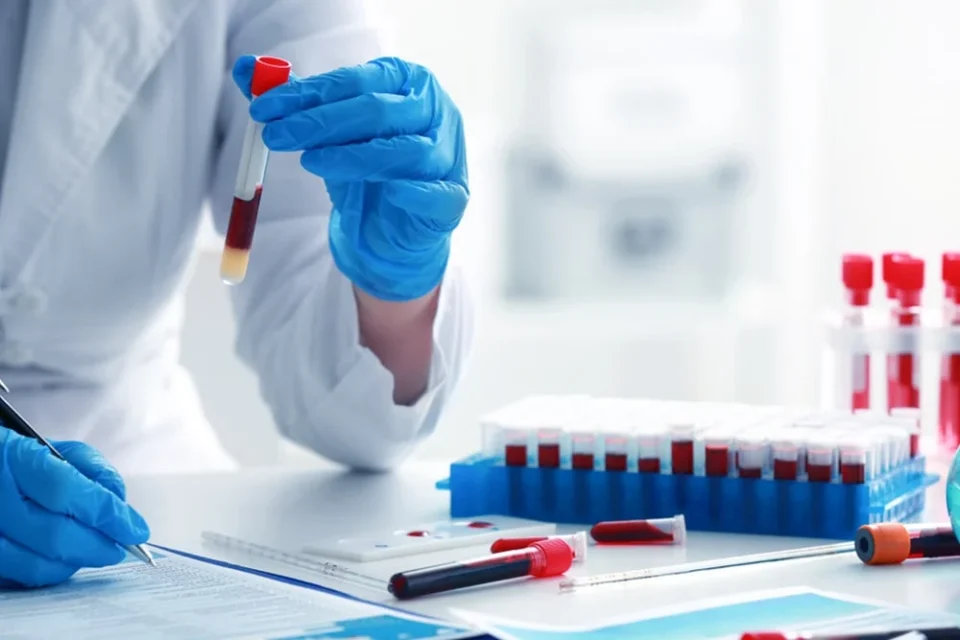
The initial preparation and separation of samples are crucial for downstream analysis. Centrifugation is an omnipresent technique used to separate heterogeneous mixtures based on particle size and density by applying a centripetal force. The choice of equipment, such as EDEN LAB Low Speed Centrifuges for cell pelleting or High Speed Mini Micro Centrifuges for molecular work, depends on the required rotational speed (measured in rotations per minute, rpm, or relative centrifugal force, RCF).
Other essential separation techniques include Filtration to remove particulate matter, and basic Extraction methods to isolate target molecules from a complex matrix, such as Solid Phase Extraction (SPE) or liquid-liquid extraction. Mastery of these initial steps ensures the final sample is clean and concentrated for definitive analysis.
Advanced Methodologies and Analytical Platforms
Beyond foundational skills, a successful modern lab integrates advanced techniques enabled by specialized instrumentation to perform complex molecular and chemical analyses.
Molecular Diagnostics: PCR and Electrophoresis
Polymerase Chain Reaction (PCR) is a cornerstone of molecular diagnostics, amplifying specific DNA sequences to detectable levels. Real-Time PCR (qPCR) further refines this by quantifying the starting amount of a target nucleic acid, essential for gene expression studies and pathogen load determination. This technique relies on highly accurate thermal cycling—precisely controlling the denaturation, annealing, and extension steps.
Following amplification or extraction, Gel Electrophoresis separates macromolecules (DNA, RNA, or proteins) based on their size and electrical charge through a porous matrix (agarose or polyacrylamide) under an applied electric field. The ability to prepare, run, and interpret a gel is vital for visualizing and validating molecular results.
Imaging and Visualization: Microscopy
Microscopy remains indispensable for visualizing samples at the cellular and subcellular level. A basic A11.5121 Microscope provides the necessary visualization for cell counting, histology, and morphology assessment. However, advanced labs utilize more sophisticated instruments:
• Fluorescence Microscopy: Uses specialized illumination and filters to detect molecules tagged with fluorescent probes, allowing for the visualization of specific cellular structures or biological processes.
• Confocal Microscopy: Offers high-resolution, three-dimensional imaging by eliminating out-of-focus light, critical for complex tissue analysis.
The proper preparation of slides and the correct calibration of focus, magnification, and illumination are the technical skills that maximize the utility of these instruments.
Quality Management and Operational Efficiency
A successful lab’s techniques extend beyond the bench to encompass rigorous data management and operational protocols, ensuring long-term reproducibility and compliance.
Documentation and Data Integrity
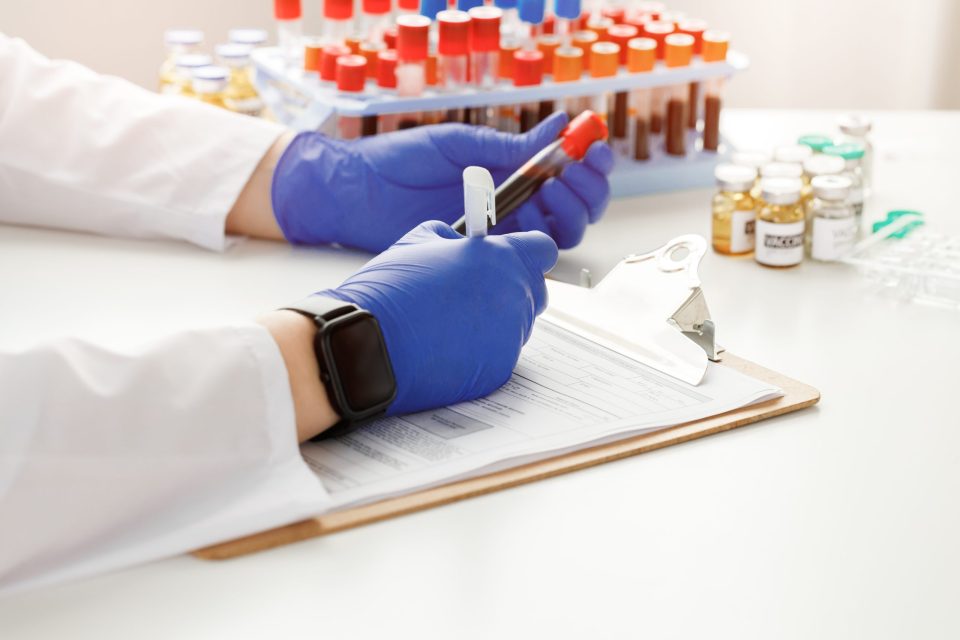
A laboratory is only as good as its documentation. Maintaining a meticulous lab notebook, whether physical or electronic, for systematic recording of experimental details, observations, instrument settings, and calculations is essential for auditability and replicating results. Standard Operating Procedures (SOPs) must be rigorously followed and regularly updated to standardize practices and minimize inter-operator variability. Successful labs implement robust Laboratory Information Management Systems (LIMS) to track samples, reagents, and results, safeguarding data integrity and facilitating efficient resource management.
Equipment Calibration and Maintenance
The reliability of results is inextricably linked to the performance of the equipment. Routine maintenance and calibration of instrumentation are essential to maintaining analytical instrument accuracy. This includes daily checks on balances, periodic calibration of pipettes, and service contracts for complex apparatus. For specialized equipment like Centrifuges, strict adherence to balancing protocols prevents damage and ensures uniform separation of samples. Strategic planning for equipment upkeep, often supported by digital management tools, is a hallmark of an efficient operation.
The successful laboratory operates on a synergistic foundation of basic scientific competence, advanced technological integration, and robust quality management. Mastery of foundational techniques like accurate pipetting and aseptic handling reduces experimental noise and ensures clean starting materials. The incorporation of advanced platforms, such as PCR, Gel Electrophoresis, and modern Microscopy, allows for complex, high-resolution analysis. By combining technical excellence with strict adherence to SOPs and diligent equipment maintenance, a laboratory can consistently deliver scientifically sound, reproducible, and impactful results, solidifying its role as a critical engine of scientific progress and innovation.
