
Introduction: The Cornerstone of Modern Dentistry
The foundation of a successful dental practice lies not only in the expertise of its practitioners but, critically, in the quality and sophistication of its equipment. In today’s competitive healthcare landscape, advanced medical devices are indispensable, driving efficiency, improving diagnostic accuracy, and ensuring superior patient outcomes. Equipping a modern dental clinic requires a strategic investment in technology that adheres to the highest standards of precision and hygiene. This analysis explores the essential devices that define excellence in contemporary dental care, with a keen focus on sourcing reliable, high-specification units.
Pillar 1: Sterilization and Infection Control
n dentistry, patient safety starts and ends with meticulous sterilization. This category of equipment is non-negotiable and requires sourcing from highly reputable medical and laboratory suppliers.
The Autoclave: The Sterilization Imperative
The Autoclave is arguably the single most important device in a dental clinic, using high-pressure steam to sterilize instruments and materials. Modern dental autoclaves, such as the high-capacity, laboratory-grade models offered by specialized suppliers like Eden International, incorporate sophisticated monitoring systems to validate sterilization cycles. Choosing a unit with rapid cycle times and advanced drying features is essential for maintaining workflow efficiency and meeting stringent regulatory standards. A reliable autoclave minimizes the risk of cross-contamination, protecting both the patient and the dental team.
Supporting Devices: Ultrasonic Cleaners
Before instruments enter the autoclave, they require thorough pre-cleaning. Ultrasonic Cleaners utilize high-frequency sound waves to create microscopic bubbles that agitate and remove debris, blood, and saliva from instruments, even in hard-to-reach areas. This step is critical as residual matter can impede the effectiveness of the subsequent steam sterilization.
Pillar 2: Precision Diagnostics and Imaging
The era of conventional film radiography has largely been superseded by digital imaging, revolutionizing diagnosis and patient communication.
Digital Radiography and CBCT
Digital X-ray systems, including both intraoral sensors and panoramic machines, provide instant, high-resolution images with significantly reduced radiation exposure compared to traditional film. This immediate feedback loop accelerates diagnosis and treatment planning. The ultimate diagnostic tool is Cone Beam Computed Tomography (CBCT), which delivers three-dimensional images of the jaw, teeth, and craniofacial structures. CBCT is vital for complex procedures like implant placement, impacted wisdom tooth removal, and advanced endodontic therapy, offering unparalleled anatomical detail.
The Intraoral Camera
While not a diagnostic tool in the technical sense, the Intraoral Camera is a powerhouse for patient education and documentation. These small, high-definition cameras capture images of the patient’s teeth and oral tissues, displaying them on a monitor. This allows the dentist to clearly show patients the condition of their mouth, fostering trust and improving acceptance of proposed treatment plans.
Pillar 3: Treatment Delivery and Ergonomics
The patient chair and delivery system serve as the central hub of all clinical operations.
The Dental Unit and Chair
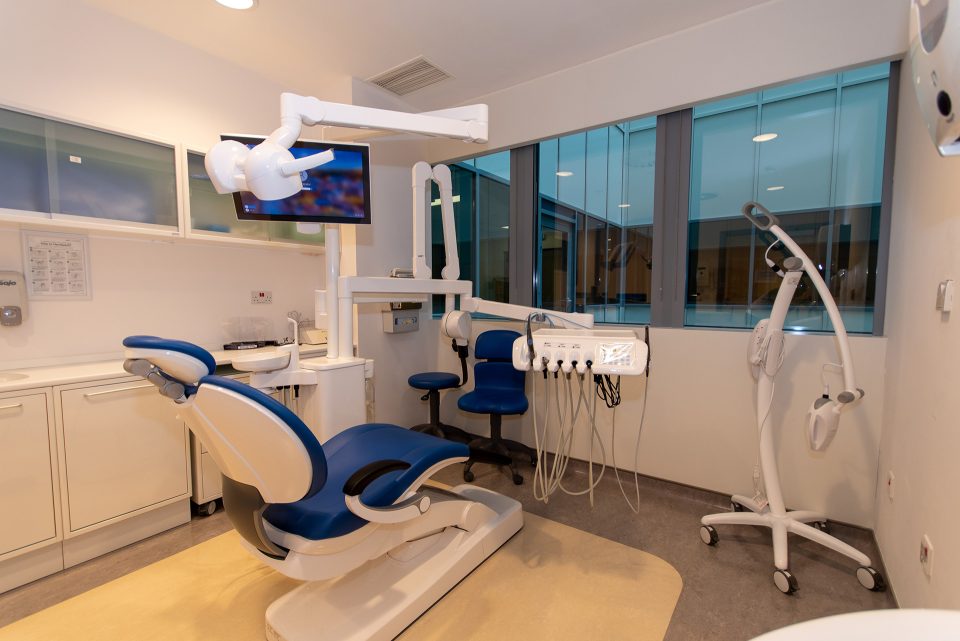
A high-quality Dental Unit incorporates a comfortable, ergonomic patient chair that can be adjusted precisely to facilitate access. Crucially, the unit houses the air and water delivery systems for the handpieces, suction, and necessary controls. Investing in a unit with robust construction and hygienic surfaces is key for long-term reliability and compliance.
High-Speed and Low-Speed Handpieces
The drills, or Handpieces, are the workhorses of restorative dentistry. High-speed handpieces (turbines) are used for rapid cutting of enamel and dentin, requiring precision engineering for balanced performance and minimal vibration. Low-speed handpieces are used for polishing, excavation, and fine material removal. Durability and ease of sterilization are paramount when selecting these instruments.
Pillar 4: The Digital Edge and Specialized Equipment
The modern dental practice often incorporates specialized devices that bridge dentistry with laboratory science and digital manufacturing

CAD/CAM Systems
Computer-Aided Design and Computer-Aided Manufacturing (CAD/CAM) systems enable the creation of crowns, veneers, and inlays in-house during a single patient visit. This setup typically involves an Intraoral Scanner (to capture a digital impression) and a Milling Unit (to fabricate the restoration). The integration of CAD/CAM represents a significant leap in patient convenience and practice efficiency.
Specialized Lab Devices
For advanced surgical procedures, devices typically found in high-grade laboratories are now essential. A powerful, reliable Laboratory Centrifuge, similar to those listed in the comprehensive product range of general medical suppliers, is necessary for preparing Platelet-Rich Fibrin (PRF) or Platelet-Rich Plasma (PRP) used in regeneration and healing protocols. Similarly, high-magnification Microscopes are increasingly being utilized in specialized fields like endodontics (root canal treatment) and micro-surgery for enhanced visibility and precision.
Conclusion: Investing in Quality for Growth
The selection of medical devices is a critical business decision. Success in modern dentistry is inextricably linked to technological investment, but this investment must be strategically focused on reliability and clinical safety. By prioritizing high-grade, certified equipment—from the indispensable Autoclave and precision Centrifuges sourced from reliable international suppliers to the latest CBCT scanners and CAD/CAM units—dental clinics can ensure operational excellence. This commitment to quality not only enhances patient care but also solidifies the clinic’s reputation, serving as the best foundation for sustained growth in a competitive medical field.
