
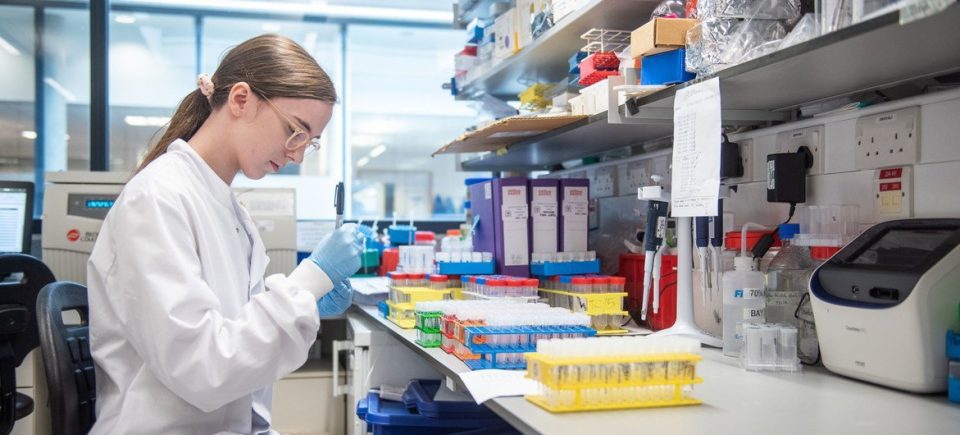
The global push for rapid and effective immunization, particularly following recent viral pandemics, has fundamentally reshaped the timeline for vaccine discovery and manufacturing. Historically, vaccine development was a protracted, multi-year process. Today, this acceleration is driven less by singular breakthroughs and more by the sophisticated integration of medical devices and laboratory technologies across the entire pipeline—from initial antigen identification to mass production. In 2026, these devices, ranging from automated high-throughput systems to advanced bioreactors, are not merely supplementary tools; they are the core engines of modern immunology and virology research, ensuring scalability, precision, and safety. This convergence of engineering and biological science is the key to faster deployment of life-saving prophylactic and therapeutic vaccines.
High-Throughput Screening (HTS) and Automation in Antigen Discovery
The first crucial step in developing any vaccine—whether a traditional inactivated vaccine or a cutting-edge mRNA platform—is identifying the optimal antigen or epitope that can elicit a robust and protective immune response. This task involves screening millions of potential candidates, a process that is impossible without highly automated laboratory equipment.
High-Throughput Screening (HTS) platforms utilize robotic systems and specialized microplate readers (often ELISA or Luminex-based) to rapidly test the binding affinity and immunogenicity of thousands of compounds or engineered proteins simultaneously. These devices dramatically compress the discovery phase. Furthermore, Next-Generation Sequencing (NGS) machines, which function as advanced diagnostic devices, are pivotal in structural vaccinology. They are employed to characterize microbial strains, identify novel viral targets, and quickly screen biological materials for potential viral contamination, ensuring the purity and safety of vaccine components. Suppliers of high-grade laboratory and medical equipment, such as those catering to the needs of modern research centers, provide the essential infrastructure—including precise pipetting robots and multi-parallel mini bioreactors—that enable scientists to conduct these complex, large-scale assays with minimal manual variability.
Advanced Bioreactor Systems for Scalable Manufacturing
Once a viable vaccine candidate has been identified, the challenge shifts to scalable and compliant manufacturing. For traditional protein subunit vaccines, viral vector vaccines, or even the production of mRNA components, this requires creating a sterile, tightly controlled environment for cell growth or molecule synthesis.
Bioreactors and fermentation systems are the essential medical devices that enable this scale-up. In the context of vaccine production, these specialized vessels (often Stirred-Tank Bioreactors or Single-Use Systems) provide optimal conditions for large-volume cell culture, meticulously controlling critical parameters like temperature, pH, dissolved oxygen saturation (dO2), and nutrient feed rates.
- Viral Vector Production: Bioreactors are crucial for growing host cells (like HEK293 or Vero cells) at high density to amplify the viral vectors (e.g., adenoviruses) used in gene-based vaccines.
- Protein Production: Fermenters are utilized for the high-density cultivation of microbial hosts (E. coli or yeast) to express recombinant proteins, such as the HBsAg protein in hepatitis B vaccines.
The adoption of single-use bioreactor technology has further accelerated the process by eliminating the time and cost associated with cleaning and sterilization cycles, streamlining the technology transfer between research, pilot, and cGMP-compliant commercial manufacturing scales.
Data Integration and Digital Health Devices in Clinical Trials
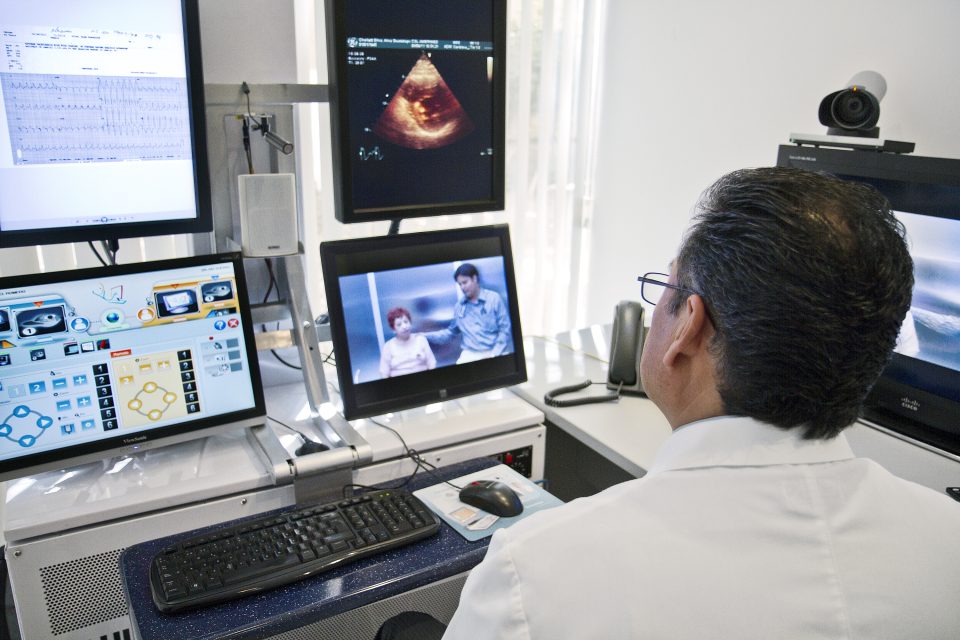
The latter stages of vaccine development—the clinical trials—are also being profoundly accelerated by medical devices, specifically Software as a Medical Device (SaMD) and digital health tools.
AI integration is emerging as a key trend, with advanced algorithms analyzing complex trial data from diverse patient populations to optimize trial design and predict efficacy. Devices that enable decentralized trials, such as wearable biosensors for remote physiological monitoring and mobile applications for patient engagement and data capture, are transforming Phase II and III studies. These digital devices provide continuous, real-world data on patient outcomes and potential adverse events, improving data quality and accelerating regulatory submissions. Furthermore, in clinical laboratories, specialized diagnostic devices such as Flow Cytometers and advanced PCR (Polymerase Chain Reaction) instruments are used to precisely quantify T-cell and B-cell responses, measuring immunogenicity and thus providing the critical evidence needed for regulatory approval and understanding vaccine effectiveness in the field.
Quality Control and Validation Devices
The integrity of the final vaccine product relies on stringent quality control (QC) at every stage. Specialized analytical devices ensure that the manufactured vaccine is safe, pure, and potent.
Advanced Chromatography Systems (such as HPLC and UPLC) and Mass Spectrometers are used to perform meticulous purification and characterize the molecular components of the vaccine, ensuring the target antigen concentration is correct and contaminants are absent. For the final packaged product, automated visual inspection systems and precision filling and capping machinery (which may be provided by medical and lab equipment vendors) are essential to maintain aseptic conditions and ensure dosing accuracy before distribution. These QC devices uphold the highest standards of pharmaceutical quality assurance, a non-negotiable step in the global dissemination of immunotherapies.
The modern landscape of vaccine development in 2026 is defined by the seamless synergy between biological science and advanced medical engineering. From the HTS robotics that pinpoint the ideal adjuvant and antigen candidates, to the bioreactors that enable global mass production, and the SaMD tools that streamline clinical validation, medical devices are the critical infrastructure supporting this rapid innovation cycle. By providing the precision, throughput, and scalability necessary for complex biotechnological processes, these technologies have permanently shortened the path from pathogen discovery to global immunization, securing a more prepared and responsive future for public health.
